All research articles
103 articles available.

AICAR Peptide Guide: Mechanism, Cost and Safety
AICAR is discussed for endurance and metabolic research, but its high cost, anti-doping status and unresolved safety questions make it a highly specialised compound.

AHK-Cu Peptide Guide: Skin, Hair and Research Use
AHK-Cu is a copper-binding tripeptide discussed for skin quality, tissue repair signalling and scalp support. This guide explains how it compares with GHK-Cu and why safety matters.

HMG fertility guide: FSH, LH and how menotropins are discussed in research
HMG, or human menopausal gonadotropin, is discussed in fertility research because it provides both FSH and LH activity. This guide explains the mechanism, comparisons and key cautions.

GHRP-2 guide: mechanism, research uses and safety considerations
A research-focused guide to GHRP-2, also called growth hormone releasing peptide 2, covering its ghrelin receptor mechanism, study findings, comparisons and safety signals.

ARA290: how this EPO-derived peptide sends a repair signal without raising red blood cells
ARA290, also known as cibinetide, is studied for tissue protection, inflammation signalling and small fibre neuropathy models. Its appeal is its separation from EPO's red blood cell effects.

Adipotide Guide: Research Mechanism, Uses and Safety
A research-focused guide to Adipotide, covering its proposed fat-targeting mechanism, monitoring considerations, limitations and UK sourcing checks.

Humanin peptide: what mitochondrial stress signalling research shows
Humanin is a small mitochondrial-derived peptide studied for cell survival, stress signalling and metabolism. The strongest evidence remains preclinical, with human trials still limited.

IGF-1 LR3 benefits: a research guide to mechanisms and risks
IGF-1 LR3 is usually discussed for muscle signalling, but the research conversation also covers metabolism, cognition, bone health and safety questions.

Glutathione Explained: What It Does and Why It Matters
Glutathione is often called the body’s master antioxidant, but that description only tells part of the story. Here is what it actually does and why the conversation around it is more nuanced than most people realise.

Cagrilintide Explained: The Amylin Signal Behind Fullness
Cagrilintide is often described as a peptide that supports satiety through the amylin pathway. Here is why that matters and why it is not just another GLP-1 conversation.
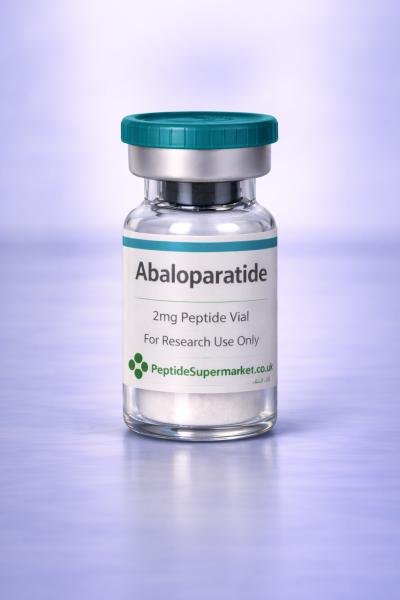
How Abaloparatide Works to Rebuild Bone
Abaloparatide is often discussed as a bone-building treatment because it helps stimulate osteoblast activity and improve bone mineral density in key fracture-prone areas.
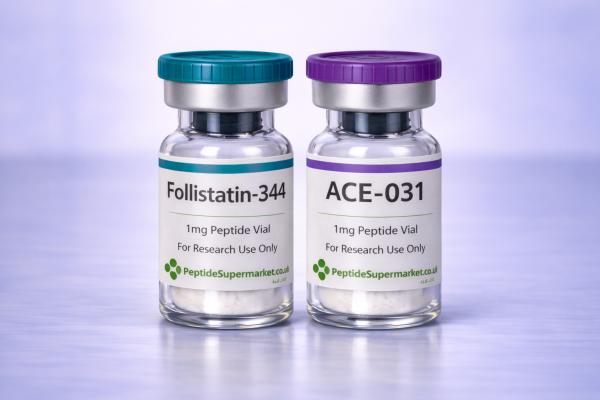
Follistatin-344 vs ACE-031: How These Myostatin Inhibitors Differ
Follistatin-344 and ACE-031 are both discussed as myostatin inhibitors, but they do not work in the same way and they do not carry the same research story.