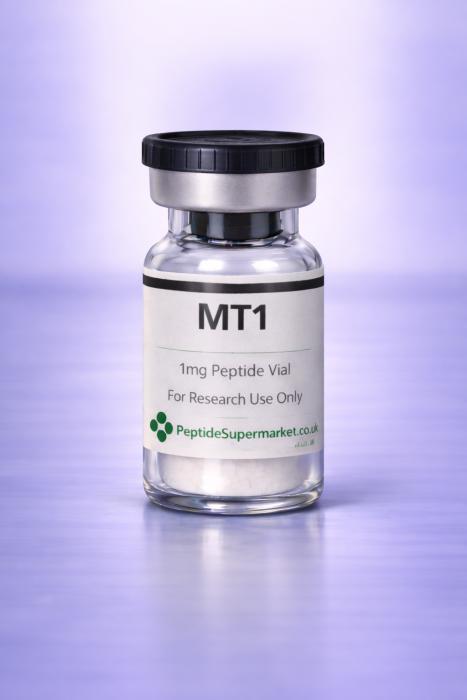
Melanotan 1 is often pulled into sun-exposure conversations because it is discussed in relation to melanin production and tanning response. That link is understandable. If a compound may increase pigmentation, people naturally assume it changes how their skin responds to sunlight.
The problem is that this often gets overstated. A more careful article keeps the difference clear between altered pigmentation and a blanket claim about sun safety.
Why Melanotan 1 is linked to UV discussion
The source material framed Melanotan 1 as a way of helping the body produce more melanin, which is why it is often discussed by people who want to tan more readily or who feel they burn easily.
That is the core reason it appears so often in summer-focused or travel-focused peptide content. It is not just about appearance. It is about the idea that pigmentation may shape how the skin handles exposure.
Where the conversation often goes too far
Once that idea takes hold, it becomes easy for online content to slide from “more pigment” into “less need to worry”. That is where careful phrasing matters most.
Melanotan 1 may be discussed in relation to pigmentation changes and tanning efficiency, but that does not make it a simple replacement for sensible sun behaviour or clinical advice about skin health. Those are very different claims.
To compare MT1 prices across UK listings, head over to our comparison hub:
Compare peptide prices.
The strongest article on this topic avoids turning a pigmentation conversation into a false sense of invulnerability.
The part that is genuinely appealing
It is easy to understand why people find the concept attractive. A peptide tied to skin tone, summer appearance and less anxiety about burning is always going to get attention.
The source material also connected Melanotan 1 with mood and feeling better during sunnier periods, though those ideas should be read carefully. Some of that appeal may come from the wider experience of being outside and feeling more comfortable in the sun, rather than from a clean, direct effect that works the same way for everyone.
The other side of the picture
Even if pigmentation changes are the main attraction, the trade-offs remain. The same source material noted flushing, nausea, darker skin tone and more noticeable freckles or moles.
That matters because any discussion of Melanotan 1 and sun exposure should be balanced by the reality that visible skin change is the whole point of the compound. If that change becomes uneven, too strong or longer-lasting than expected, the appeal can quickly fade.
Why this topic needs calm wording
The best editorial version of this subject is not alarmist, but it is not casual either. It should recognise why Melanotan 1 attracts interest while also refusing to frame it as permission to ignore broader skin-health habits.
That is especially important because aesthetic content often pushes far beyond what responsible wording can support.
Pricing for MT1 can vary, so we’ve put together a UK price comparison hub here:
A note for readers comparing products
For readers exploring peptides uk, Melanotan 1 is a reminder that product identity and careful presentation matter. Anyone asking where to buy peptides should look for clear descriptions rather than exaggerated summer-marketing language. Cheap peptides are not always good value when the product category already attracts oversimplified claims. If you intend to buy peptides uk, a peptide supplied uk source should explain the compound with restraint.
Final thoughts
Melanotan 1 is commonly discussed because it sits close to one of the most visible outcomes in peptide culture: skin tone. That visibility is exactly why it should be described carefully.
Pigmentation change may alter how some people experience sun exposure, but it should not be turned into a catch-all claim. The better conversation is about what Melanotan 1 may change, what it cannot guarantee, and why realistic expectations matter.
Compare MT1 prices across the UK
Side-by-side prices from every trusted UK supplier stocking MT1.


