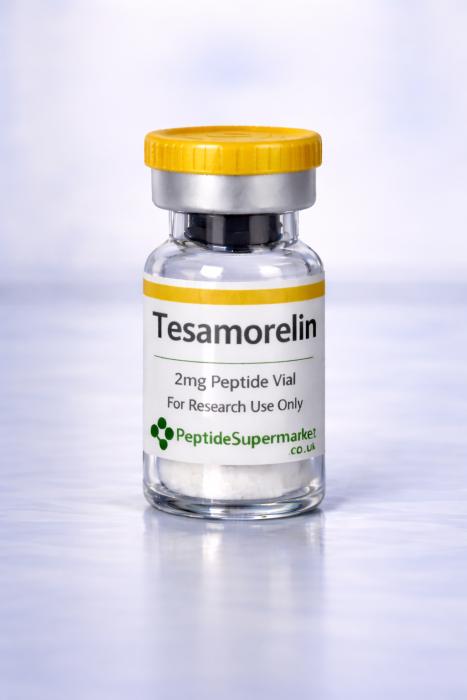
Tesamorelin
The Only FDA-Approved “GH Peptide” for Fat Reduction (and how to use it intelligently)
Quick note: This is not medical advice. I’m not a doctor or licensed medical professional. This is for education and entertainment only—talk to a licensed physician before using any prescription medication or peptide.
Tesamorelin gets marketed as the “visceral fat peptide,” and compared to other growth-hormone peptides like CJC-1295 and sermorelin, it’s usually positioned as the top-tier option.
And in one important way, that’s true:
Tesamorelin is the only one that’s actually FDA-approved for fat reduction (originally for HIV-associated lipodystrophy). That approval gives it a level of clinical legitimacy most other GH-related peptides simply don’t have.
But does that automatically make it the best choice for everyone? Not even close.
This article breaks down:
What tesamorelin is
How it works (and why it feels “stronger”)
How it compares to other GH peptides
Benefits, cautions, and who should avoid it
Dosing + cycling frameworks people commonly discuss
Stacks, supplements, and lifestyle tools
Honest pros/cons and who it actually makes sense for
What Tesamorelin Actually Is
Tesamorelin is a growth hormone–releasing hormone (GHRH) analog—a peptide designed to signal your pituitary gland to release your own growth hormone.
It was FDA-approved in 2010 (brand name Egrifta) to treat HIV-associated fat redistribution, where some patients accumulate disproportionate abdominal/visceral fat.
Since then, tesamorelin has also been researched and discussed for:
body composition (especially abdominal fat patterns)
cognitive health / brain metabolism (emerging and off-label interest)
nerve-related recovery (early/experimental interest)
broader “anti-aging” conversations (mostly extrapolated from GH/IGF-1 biology)
How Tesamorelin Works
Here’s the core mechanism:
Tesamorelin binds to GHRH receptors in the pituitary
Your pituitary releases growth hormone (GH)
That GH drives downstream effects (largely via IGF-1, produced mostly in the liver)
Why people say it “preserves natural rhythm”
Unlike injecting growth hormone directly (which can create a flatter, more artificial exposure pattern), GHRH analogs like tesamorelin are often described as supporting pulsatile GH release—more like what your body naturally does.
That’s one reason many people see it as a “support the system” approach rather than a “replace the system” approach.
We’ve added Tesamorelin to our UK price comparison hub so you can compare the different price points easily:
Compare Tesamorelin prices UK.
Tesamorelin vs Other GH Peptides
This is where a lot of marketing gets messy, so keep it simple:
Tesamorelin
Often described as strong among GHRH analogs
FDA-approved for a fat-related indication (HIV lipodystrophy)
Short acting at the receptor level, often discussed with more frequent dosing strategies
CJC-1295 (especially with DAC)
Longer-acting, binds longer in the body
Often described as “weaker per signal,” but more persistent
Not FDA-approved for fat reduction
Sermorelin / Mod GRF–style options
Generally shorter-acting and often positioned as “more conservative”
Widely used in clinics, but not the same approval pathway for the same indication
Practical reality: tesamorelin stands out less because it has a magical new mechanism, and more because it has real clinical history and approval for a specific fat-distribution problem.
Benefits People Seek From Tesamorelin
Based on how it’s commonly discussed (and the GH/IGF-1 downstream effects), people pursue tesamorelin for:
Fat reduction, especially abdominal/visceral patterns
Improved recovery (training tolerance, soreness, connective tissue support)
Body composition improvements when paired with training/nutrition
Potential cognitive/brain support (early research interest)
“Vitality” effects often associated with restoring GH/IGF-1 signaling toward a healthier range
Important context: GH-related peptides tend to amplify what you’re already doing—they don’t replace training, protein, sleep, or calorie control.
Cautions and Contraindications
Common cautions people report/monitor
Water retention
Joint discomfort
Changes in blood sugar control (especially if predisposed)
A common theme you’ll hear: dose drives tolerability. Too aggressive, too frequent, or poorly timed use tends to increase side effects.
Who should avoid it (non-negotiables)
Active cancer or history of hormone-sensitive cancers (GH/IGF-1 can accelerate growth signals)
Anyone who needs strict medical clearance due to endocrine conditions
Pregnancy/breastfeeding (avoid)
If you’re considering tesamorelin, the right move is not “trust the internet.” It’s get medical oversight and appropriate monitoring.
Dosing & Cycling (Common Frameworks People Discuss)
Not medical advice—just summarizing what’s commonly referenced in peptide communities and some clinical-style approaches.
Typical ranges you’ll see discussed:
1–2 mg per dose is a common conservative band
Some people discuss higher dosing (e.g., 3–4 mg) but that’s generally framed as more aggressive and more side-effect-prone
Timing (the logic people use)
Many users prefer fasted dosing, often:
before bed, or
morning fasted, or
pre-workout (still fasted)
The reasoning given: food—especially carbs and fats—can blunt GH pulse dynamics, so fasted timing is used to maximize the GH signal.
Cycling patterns people mention
5 days on / 2 off
daily use blocks of 8–12 weeks on, then 4–8 weeks off
Again: there’s variability here, and the more aggressive the plan, the more important monitoring becomes.
Quick link: UK Tesamorelin price comparison (compare listings and pricing in one place):
What People Commonly Stack With Tesamorelin
Peptides often paired (in community discussions)
A GHRP (growth hormone releasing peptide) to complement GH signaling
commonly mentioned: ipamorelin
sometimes mentioned: GHRP-2 / GHRP-6 (often with more side-effect baggage)
Other “repair support” style additions people talk about:
BPC-157
TB-500
And some people talk about pairing with a GLP-1—partly because:
GLP-1s support fat-loss adherence
tesamorelin may nudge glucose dynamics in some users, so metabolic control matters
Supplements People Stack With It
Common add-ons discussed:
Berberine (blood sugar support)
Natural diuretics like dandelion root (water retention management)
Creatine (performance + cognitive support)
Collagen/bone broth (connective tissue support)
These aren’t “required,” but they’re often framed as supportive tools around the GH/IGF-1 goal.
Lifestyle Tools That Multiply Results
A useful mindset from the transcript:
“The peptide loads the gun. Your lifestyle pulls the trigger.”
The big levers:
Resistance training (some bodybuilding for aesthetics + functional strength work)
Zone 2 cardio (nasal breathing, aerobic base, recovery, metabolic health)
Nutrition discipline (many people like a simple, protein-forward approach + fasting structure)
Sleep, stress management, and basic recovery habits
Pros vs Cons (Honest Version)
Pros
Strong GH pathway activation for a peptide approach
FDA-approved history for a fat-related indication
Generally positioned as less suppressive than direct GH use because it stimulates your own signaling
Cons
Often requires more injections than long-acting alternatives
More expensive than many other GH-peptide options
Can bring more side effects (water retention, joint discomfort, glucose shifts) if pushed too hard
My Honest Take (When It Makes Sense)
Tesamorelin is a legitimate, research-backed tool—especially if your goal is specifically tied to abdominal fat distribution and you want something with a formal approval history.
But it’s not the “first peptide everyone should start with.”
If someone is brand new, cost-sensitive, or wants the most conservative entry:
people often start with CJC (no DAC) + ipamorelin style strategies first
Then tesamorelin becomes more of an intermediate/advanced step:
better funding
better monitoring
better discipline around dosing, food timing, and side-effect management
Big rule: if your nutrition, training, and sleep aren’t stable, tesamorelin won’t fix that. It’ll just make an expensive version of the same problem.
Compare Tesamorelin prices across the UK
Side-by-side prices from every trusted UK supplier stocking Tesamorelin.


