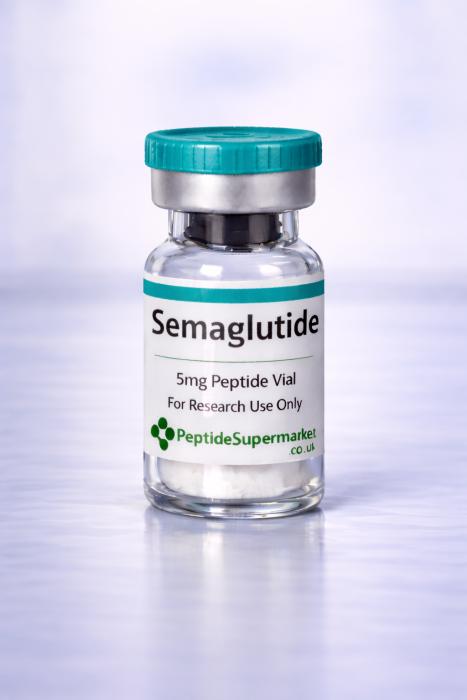
Semaglutide: is it the right tool for you, or is there a better option now?
Quick take
Semaglutide works because it makes a calorie deficit easier to sustain. It suppresses appetite, slows gastric emptying, and helps you feel full longer.
But it doesn’t burn fat directly, it can come with a real lean-mass loss problem, and a lot of people regain weight after stopping unless they use that appetite-suppression window to build habits. And if your real goal is fat loss and body composition, there are newer options that generally perform better.
Disclaimer
This is not medical advice. Always consult a licensed physician before you put anything into your body.
How semaglutide works
Semaglutide is the active ingredient in Ozempic and Wegovy. It’s part of a class of drugs called GLP-1 receptor agonists.
GLP-1 (glucagon-like peptide-1) is a hormone your gut releases naturally after you eat. Its job is to:
Signal the pancreas to release insulin
Slow stomach emptying so food stays in the stomach longer
Tell your brain you’re full
Reduce how much sugar your liver releases into the bloodstream
When you take semaglutide, your body responds as if there’s extra GLP-1 present. The result is:
You feel full faster
You stay full longer
Food tends to have less “pull,” because the reward value drops for a lot of people
And what that really does is make it easier to eat less than you burn.
That’s the key point: the calorie deficit causes the fat loss. Semaglutide makes the deficit easier to sustain because you’re not white-knuckling hunger all day.
What semaglutide does not do
Semaglutide does not burn fat directly.
It doesn’t magically increase fat oxidation on its own. It works because it changes appetite and behavior so the deficit is easier to maintain. If you’re not in a deficit, you won’t get the outcome you’re looking for.
If you’re researching Semaglutide and want to compare peptide prices in the UK, start here:
What the clinical data shows
In the big 68-week data set most people reference, the average person lost about 15% of body weight on semaglutide.
For someone starting at 240 lb, that’s roughly 36 lb.
Beyond weight loss, people also tend to see improvements in:
Blood pressure
Cholesterol
Liver fat
Blood sugar
This drug proved the GLP-1 class works. It was the breakthrough.
And now there’s also a pill version option for people who don’t want to inject, which showed roughly low-teens percentage weight loss for people who stayed consistent with it.
The muscle loss problem nobody wants to talk about
The weight you lose on semaglutide is not all fat.
In the body composition data, 39–45% of the weight lost showed up as lean mass.
Put that into real numbers:
If you lose 30 lb and 13 lb of it is muscle, you didn’t just get lighter — you potentially made your metabolism weaker in the process.
Why that matters:
Muscle drives your resting metabolic rate
Muscle determines how you look at the end of the cut
Muscle is what keeps you feeling strong instead of just smaller
This is manageable, but only if you treat it like a priority:
Higher protein
Resistance training
Sleep and recovery dialed in
If you don’t protect lean mass aggressively, semaglutide can leave you lighter… and softer.
What happens when you stop
A lot of people regain weight after stopping semaglutide.
Not slowly over years — often within a year.
The mechanism is simple:
The drug suppresses appetite while you’re on it
When you stop, appetite comes back
If you didn’t build the habits during the window the drug gave you, you drift right back to where you started
And the worst-case version of that story is:
you regain the weight… but now you have less muscle than you started with.
Is there something better?
Yes — and it comes down to receptor coverage.
Semaglutide primarily hits GLP-1.
Tirzepatide: dual receptor
Tirzepatide (Mounjaro / Zepbound) hits:
GLP-1 (appetite suppression)
GIP (improves insulin response and nutrient handling)
So you get appetite suppression plus improved nutrient partitioning.
Head-to-head data showed meaningfully higher average weight loss on tirzepatide versus semaglutide, and a much higher percentage of people reaching the “big” milestones like 25% body weight loss.
But here’s the part that really matters for body composition:
Across trials, tirzepatide showed less lean mass loss as a proportion of total weight lost compared with semaglutide — meaning more of the loss trends toward fat instead of muscle.
Retatrutide: triple agonist
Retatrutide is still in trials and not FDA approved yet, but the early outcomes are why people are paying attention. It hits:
GLP-1
GIP
Glucagon
That third receptor is the big difference because glucagon shifts the equation toward energy expenditure — not just appetite suppression.
The big headline number people talk about is high-20s percent weight loss over ~68 weeks at the top end, with a meaningful chunk of people hitting 30%+.
There’s also a side effect profile people need to understand, including reports of dysesthesia (abnormal skin sensations/tingling) at higher doses.
Why “more receptors” tends to perform better
It’s not just “more is better.” It’s what each receptor does:
GLP-1: appetite suppression, satiety, slower gastric emptying
GIP: improves nutrient handling and seems to help preserve more lean mass in practice
Glucagon: pushes energy expenditure higher and influences fat mobilization
So instead of attacking fat loss only from the intake side (eat less),
you’re hitting multiple angles at once.
We’ve added Semaglutide to our UK price comparison hub so you can compare the different price points easily:
How to think about your decision
If your goal is strictly “lose weight,” semaglutide can work.
If your goal is fat loss + body composition, semaglutide is no longer the strongest tool in the class.
If you have access to tirzepatide, the data generally supports it as the better option for deeper weight loss and better composition outcomes.
If semaglutide is your only option due to insurance, access, or cost, it still works — but you have to protect muscle aggressively.
Foundations that decide whether your results last
Regardless of which compound you use, the foundations determine whether you keep the outcome:
Protein like a prescription (daily, consistent)
Lift weights (minimum 2–3 times per week)
Prioritize sleep
Use the appetite suppression window to lock in habits
The drug buys you time and makes the deficit easier.
What you do with that window determines whether the results stick.
Final takeaway
Semaglutide can absolutely help you lose weight — but it’s not a fat burner, it comes with real tradeoffs in lean mass unless you defend it, and weight regain is common if you don’t build habits while you’re on it.
If your priority is the best fat loss and body composition outcome available right now, dual- and triple-pathway options generally outperform GLP-1 alone.
And no matter what you choose, protein, training, and sleep are what decide whether you end up leaner and stronger… or just lighter.
Compare Semaglutide prices across the UK
Side-by-side prices from every trusted UK supplier stocking Semaglutide.


