Mots-C articles
8 articles available.

MOTS-c and Metabolic Flexibility: Why the Transition Can Feel Rough
MOTS-c is often explored for mitochondrial signalling, but the shift from one energy pattern to another may not feel smooth at the start.

MOTS-C: the mitochondrial signal your body is missing
Do you remember in middle school when we learned that mitochondria are the powerhouse of the cell? Well, as you age, your body produces less of a peptide that tells those mitochondria how to burn fat and use energy efficiently. And MOTS-C might be the signal your mitochondria have been missing.
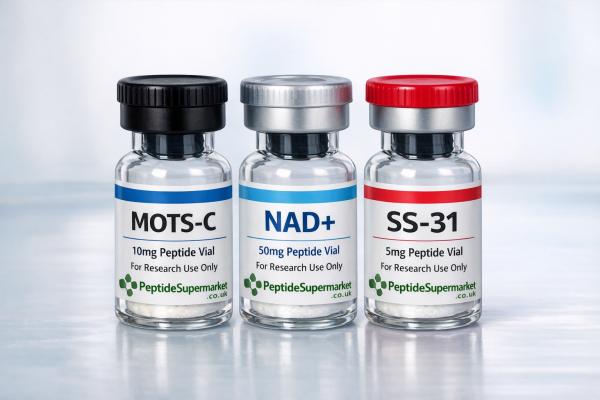
How to mix, handle, and store peptides so you don’t ruin them
How to mix, handle, and store peptides so you don’t ruin them If you’re new to peptides, the confusing part isn’t the vial of powder — it’s the fact that there are two different rulebooks: Before reconstitution (dry, lyophilized powder): you’re protecting it from moisture After reconstitution (liquid): you’re managing two clocks at once: Microbial safety Chemical stability (potency) Once you understand why those rules exist, you stop guessing and you stop accidentally degrading your product.

Why most people use MOTS-C wrong — and how to run it the way it’s designed to work
Why most people use MOTS-C wrong — and how to run it the way it’s designed to work Quick take Most people run MOTS-C for fat loss and energy by itself, then wonder why the results don’t match what they expected. Using MOTS-C alone is like putting racing fuel in a car with a cracked engine block. The fuel isn’t the problem — the system can’t use it properly.
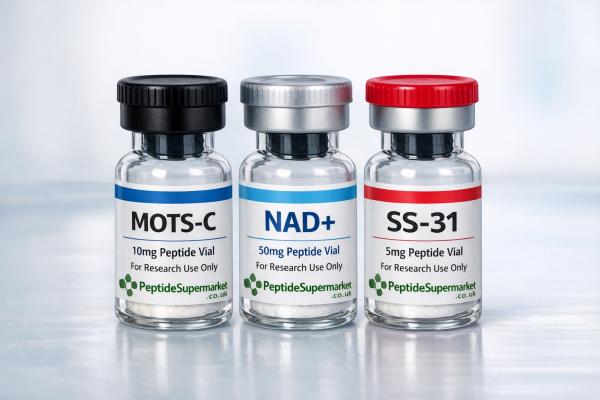
MOTS-C, NAD+ and SS-31 (solving mitochondrial damage)
The Importance of Mitochondria Everything comes back to the same three biological failures: Systemic inflammation Insulin resistance ATP shortage And here’s the part people keep missing: Inflammation and insulin resistance don’t just “coexist” with low energy. They cause the ATP shortage—because they break the mitochondria. When mitochondria fail, you get sick. When they fail catastrophically, you die. Not poetic. Not motivational. Mechanistic.

Common Reasons People Struggle With MOTS-c
From unrealistic expectations to poor support, several patterns appear again and again when people say MOTS-c made them feel worse.

MOTS-C: the mitochondria-coded “system reset” signal most people misunderstand
What MOTS-C actually is MOTS-C is a 16–amino acid peptide encoded by mitochondrial DNA, specifically from a small open reading frame associated with the 12S rRNA region (in the way it’s commonly described). Translation: Your mitochondria—those “powerhouse organelles” people joke about—don’t just make energy. They send instructions. MOTS-C is one of those instructions.

Why MOTS-c May Cause Fatigue Before Energy Improves
Some people report feeling more tired when they start MOTS-c. Here is the cleaner explanation for why that may happen and what the discussion usually centres on.