KPV articles
4 articles available.
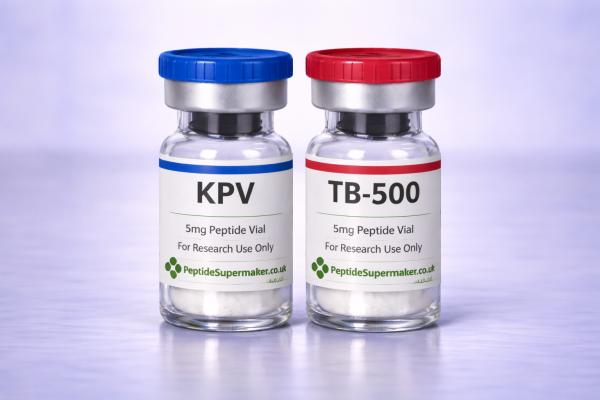
KPV for Cardiovascular Inflammation? A Clear Look at the Peptide Discussion
KPV is regularly mentioned in peptide conversations around inflammation and vascular health. Here is a clear, balanced look at why it attracts attention and how it is typically framed in relation to endothelial function and immune regulation.
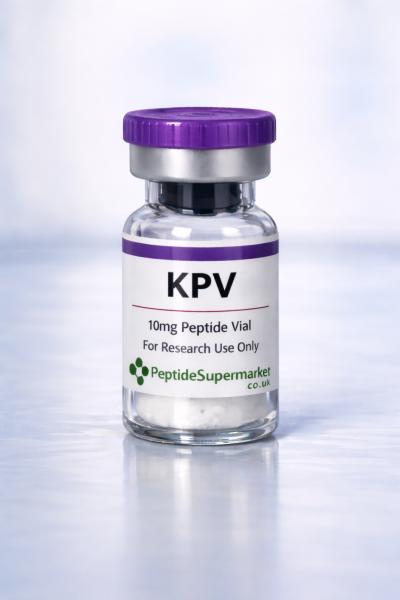
KPV The Greatest Anti Inflammatory Ever
Introduction to KPV KPV is the smart bomb. It’s a tripeptide—three amino acids in a precise sequence: Lysine Proline Valine It’s not some synthetic alien molecule. It’s a fragment—a surgical piece—of a naturally occurring hormone in your body called alpha-MSH (alpha melanocyte-stimulating hormone). Alpha-MSH has broad jobs: inflammation control, pigmentation, and energy homeostasis. Think of alpha-MSH as the entire command structure. KPV is the special operations unit.
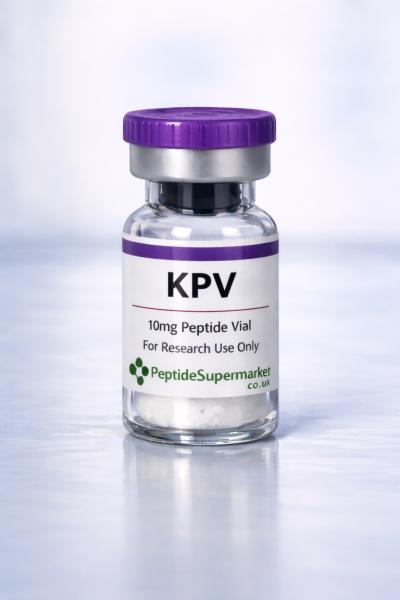
KPV: the three–amino acid “off-switch” your body already uses to survive
What KPV actually is KPV is a tripeptide: Lysine – Proline – Valine. That’s it. Three amino acids. And that’s the first thing people get wrong: they hear “three amino acids” and assume “small = minor.” No. Small means fast, targeted, and built for signaling. KPV isn’t a poison. It isn’t random. It’s not a “foreign drug” your body has to tolerate. It’s part of your internal control system—your body’s way of saying: “Inflammation served its purpose. Now shut it down and start repairing.”
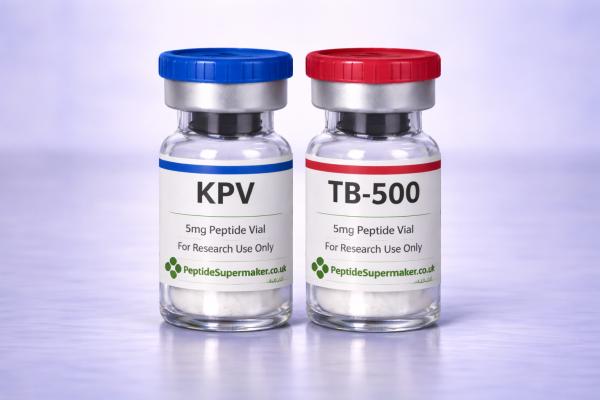
Heart Health Beyond Cholesterol: Why Inflammation Is Part of the Conversation
Conversations around cardiovascular health often focus on cholesterol, but many peptide discussions place equal emphasis on inflammation, endothelial function and tissue repair. Here is a balanced look at why KPV and TB-500 are being explored in that context.