Guides
103 articles available.
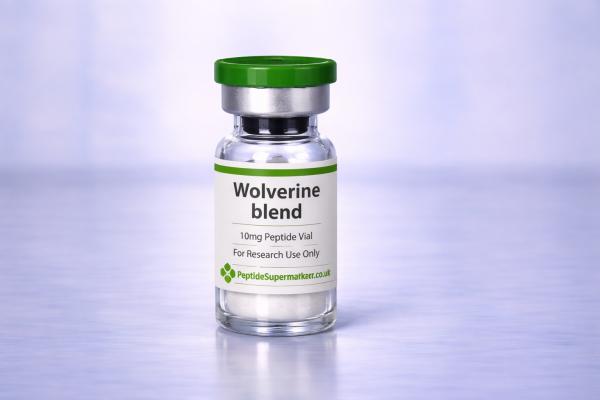
The Wolverine Protocol
If you’re over 35, you already know the deal. Aches turn into “little injuries.” Little injuries turn into chronic problems. And once you get hurt, the default advice is always the same: rest, ice, wait, take something for the pain, maybe do PT for months… and if it still isn’t right, start talking about surgery.
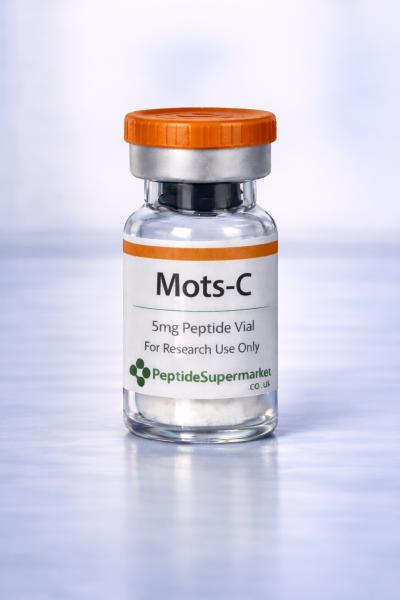
MOTS-C: the mitochondrial signal your body is missing
Do you remember in middle school when we learned that mitochondria are the powerhouse of the cell? Well, as you age, your body produces less of a peptide that tells those mitochondria how to burn fat and use energy efficiently. And MOTS-C might be the signal your mitochondria have been missing.
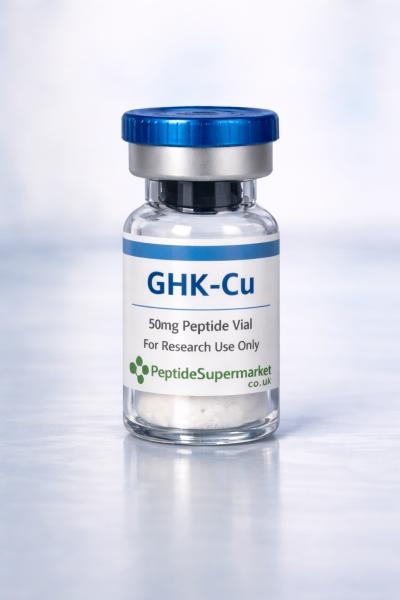
GHK-Cu: the peptide that beats influencer creams
There’s a peptide that does more for your skin than any of the creams your favorite influencer sells. It’s 10 times cheaper and it actually works. And today I’m going to break down exactly what this stuff is, how it works in your body, what the research shows, and what kind of results you can realistically expect.

Retatrutide: why microdosing is wrong
You’ve probably heard online that microdosing retatrutide daily is the best approach to minimize side effects. And in this video, I’m going to teach you exactly why that’s wrong and show you how to dose this properly. By the end, you’ll understand why the microdosing protocols you see on TikTok and from influencers can’t work, no matter how good they sound.
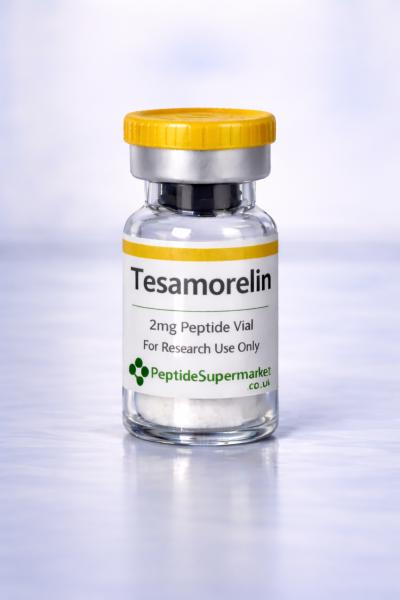
Tesamorelin: is it really better for visceral fat?
Tesamorelin gets called “the visceral fat peptide” because it’s the only growth-hormone–pathway peptide with real clinical data measuring visceral fat by CT scan in humans. Mechanistically, it’s doing the same core job as other GHRH analogs — it stimulates your pituitary to release growth hormone, which then drives IGF-1 — but the evidence base is what’s different, not some special visceral-fat-only switch.
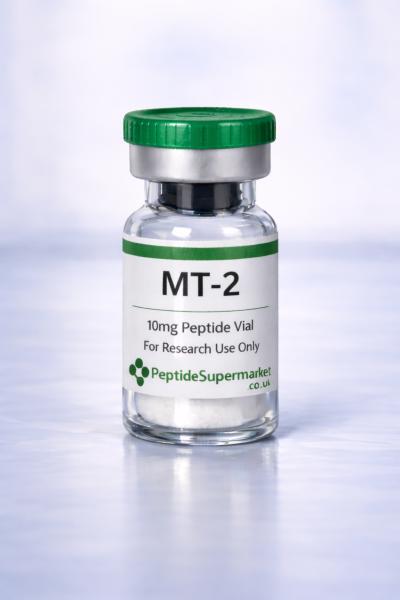
MT-2: the peptide that can tan skin, suppress appetite, and boost sexual function
MT-2 (Melanotan II) is a synthetic version of a hormone pathway your body already uses to regulate pigmentation, appetite signaling, and sexual arousal. It works because it activates multiple melanocortin receptors at the same time — so you can’t really separate the effects.
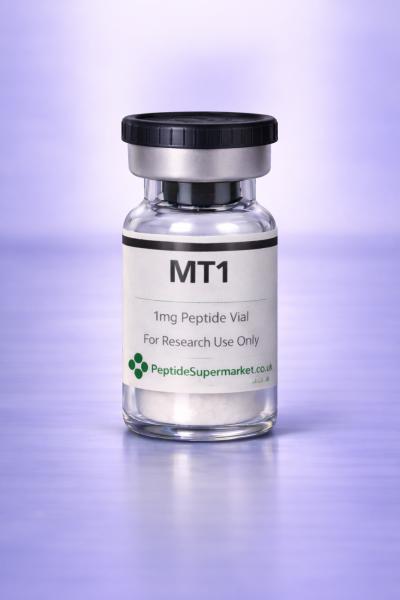
Melanotan 1 Side Effects, Skin Changes and the Trade-Offs People Overlook
The most useful Melanotan 1 discussion is not just about tanning. It is about side effects, lasting skin changes and whether the trade-off feels worthwhile.

Why Glutathione Delivery Matters More Than Most People Think
Glutathione may be a familiar name, but it is one of the hardest compounds to supplement well. The route of delivery changes almost everything about how it is discussed.
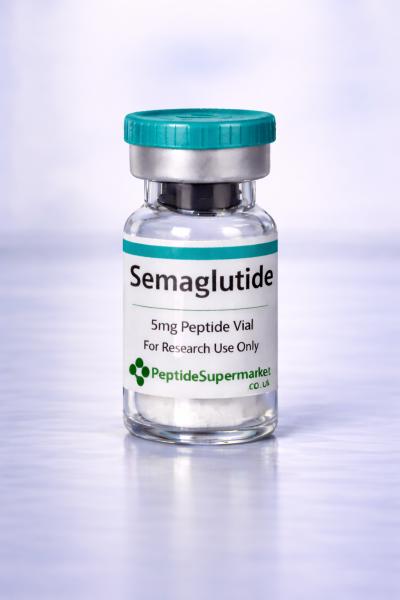
Semaglutide: is it the right tool for you, or is there a better option now?
Semaglutide works because it makes a calorie deficit easier to sustain. It suppresses appetite, slows gastric emptying, and helps you feel full longer. But it doesn’t burn fat directly, it can come with a real lean-mass loss problem, and a lot of people regain weight after stopping unless they use that appetite-suppression window to build habits. And if your real goal is fat loss and body composition, there are newer options that generally perform better.
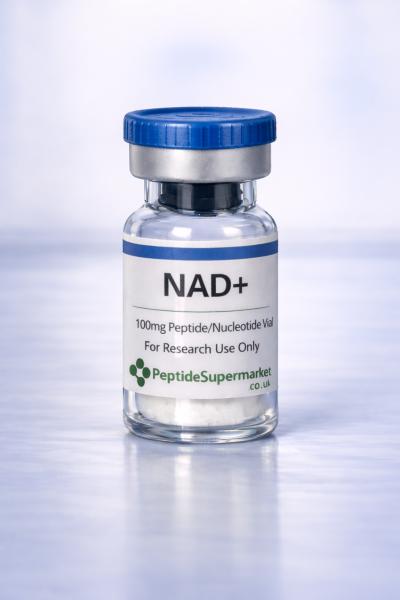
NAD+: the molecule behind cellular energy, aging, and why “just supplement it” often doesn’t work
NAD+ isn’t a trendy add-on. It’s one of the core molecules that makes energy production possible. If NAD+ drops, ATP production becomes less efficient, recovery slows down, brain fog shows up, and the whole “I used to bounce back faster” problem starts to make sense. But here’s the part most people miss: if your mitochondria are damaged, adding NAD+ precursors may do almost nothing, because converting precursors into usable NAD+ requires ATP .

Semax: the Russian peptide for cognition, recovery, and neuroprotection
Semax is a short synthetic peptide (7 amino acids) originally developed for stroke and brain injury recovery. It’s used in Russia as a prescription medication, and it’s been positioned as a way to enhance brain plasticity and resilience without the “wired” feel you’d expect from stimulants. The core idea is simple: Increase BDNF (the brain’s growth-and-repair signal) Support neurotransmitter efficiency (especially dopamine responsiveness and serotonin turnover)
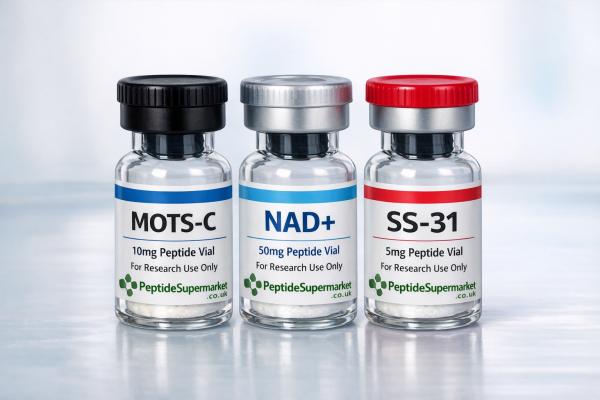
How to mix, handle, and store peptides so you don’t ruin them
How to mix, handle, and store peptides so you don’t ruin them If you’re new to peptides, the confusing part isn’t the vial of powder — it’s the fact that there are two different rulebooks: Before reconstitution (dry, lyophilized powder): you’re protecting it from moisture After reconstitution (liquid): you’re managing two clocks at once: Microbial safety Chemical stability (potency) Once you understand why those rules exist, you stop guessing and you stop accidentally degrading your product.