Guides
103 articles available.
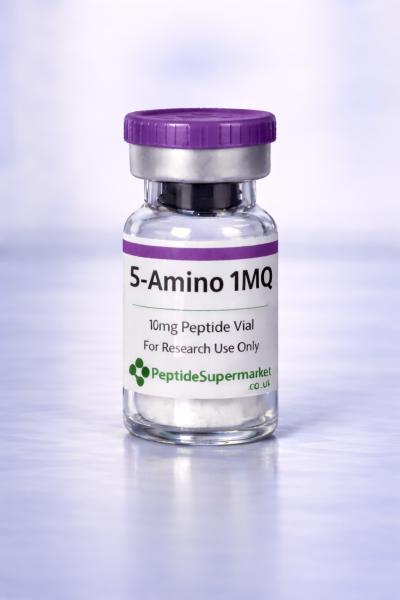
5-Amino-1MQ — where it fits, how it works, and why most dosing advice online doesn’t make pharmacological sense
5-Amino-1MQ — where it fits, how it works, and why most dosing advice online doesn’t make pharmacological sense Quick take 5-Amino-1MQ is positioned as a small molecule NNMT inhibitor that helps preserve nicotinamide for NAD+ production, especially inside fat (adipose) tissue, where NAD+ production relies heavily on the salvage pathway and NNMT can become a major drain. It’s framed as most useful for people with metabolic dysfunction tied to excess body fat.
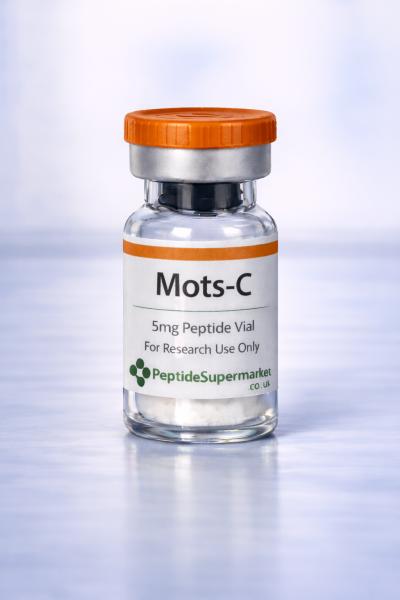
Why most people use MOTS-C wrong — and how to run it the way it’s designed to work
Why most people use MOTS-C wrong — and how to run it the way it’s designed to work Quick take Most people run MOTS-C for fat loss and energy by itself, then wonder why the results don’t match what they expected. Using MOTS-C alone is like putting racing fuel in a car with a cracked engine block. The fuel isn’t the problem — the system can’t use it properly.
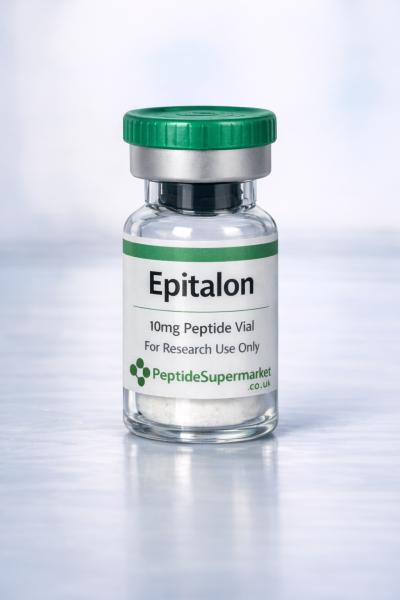
Epithalon — why sleep and recovery decline after 40, and the peptide aimed at reversing the slide
Epithalon — why sleep and recovery decline after 40, and the peptide aimed at reversing the slide Quick take If your sleep gets worse every year after 40 and your recovery takes longer, those aren’t separate problems. Two systems have been declining since your 20s: Telomeres (the cellular “age clock” that limits how long cells can keep dividing) The pineal gland (melatonin output and circadian rhythm that drives nighttime recovery).
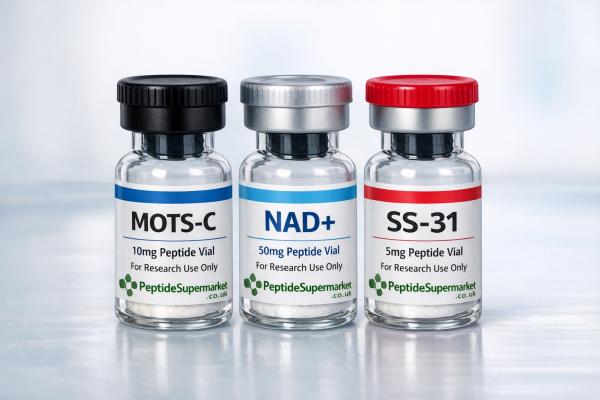
MOTS-C, NAD+ and SS-31 (solving mitochondrial damage)
The Importance of Mitochondria Everything comes back to the same three biological failures: Systemic inflammation Insulin resistance ATP shortage And here’s the part people keep missing: Inflammation and insulin resistance don’t just “coexist” with low energy. They cause the ATP shortage—because they break the mitochondria. When mitochondria fail, you get sick. When they fail catastrophically, you die. Not poetic. Not motivational. Mechanistic.

Retatrutide Needs Carbohydrates to Work Properly
Retatrutide and Carbohydrates There’s a loud, confident, aggressively wrong idea floating around the internet: “If you’re using retatrutide, you should go low-carb.” And I’m telling you straight: for a lot of people, low-carb + retatrutide is a performance and body-composition sabotage package—especially if you train, care about lean mass, or want results that don’t boomerang later.
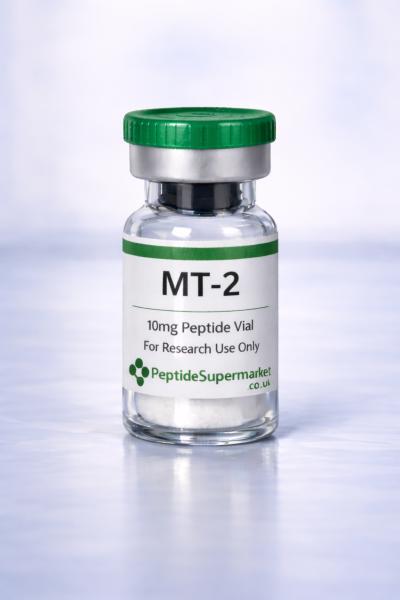
Melanotan II (MT2) — what it really is and what it actually does
Melanotan II (MT2) — what it really is and what it actually does Quick take Melanotan II isn’t “a tanning peptide.” It’s a synthetic analog of α-MSH (alpha-melanocyte stimulating hormone) that activates melanocortin receptors across the body. Pigmentation and libido are real effects—just not the whole story. The real story is system-wide melanocortin signaling that intersects with inflammation control, metabolic regulation, and cellular energy output.
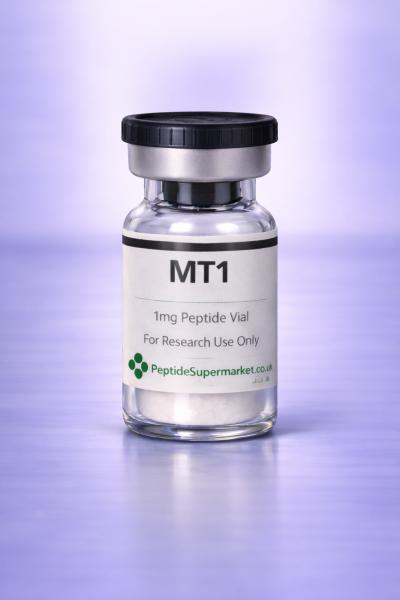
Melanotan 1 and Sun Exposure: What It May Change and What It Should Not Replace
Melanotan 1 is frequently linked to tanning and time in the sun, yet the smarter discussion is about what pigmentation changes may do and what they should not be assumed to do.

Microdosing Retatrutide Is Costing You
The Science Behind GLP-1, GIP, and Glucagon Most explanations you hear are missing the only part that matters: GLP-1, GIP, and glucagon don’t behave the same “alone” as they do together. The combo changes the physics of the system. So if you’re still thinking “GLP-1 = appetite suppression” and calling it a day, you’re watching the trailer and missing the movie.
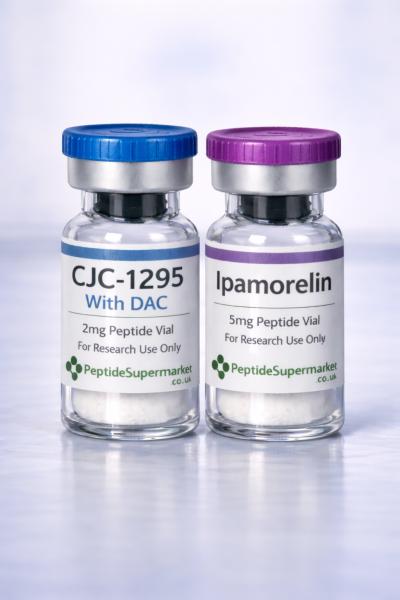
Why CJC-1295 With DAC + Ipamorelin are married
CJC-1295 With DAC + Ipamorelin This is the “why these two are married” masterclass. Not because they’re magic. Because they plug into two different control knobs of the same system—your growth hormone (GH) pulse generator.
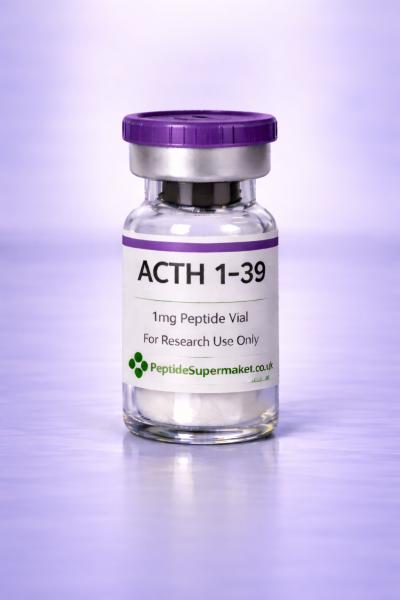
ACTH and the Adrenal Cortex: Understanding the Three Zones
ACTH is often taught alongside the adrenal cortex because it helps explain how stress-related hormone signalling connects to the gland’s three distinct layers.

MOTS-C or Retatrutide Which One Is Better
The Power of Peptides: MOTS-C and Retatrutide People keep asking the wrong question: “When do I take MOTS-C vs Retatrutide?” The right question is: “What failure mode am I trying to fix?” Because yes—both can make you violently insulin sensitive (in the best way). But they do it through completely different control rooms in your biology. One is a mitochondrial operating system rewrite. The other is a triple-axis metabolic demolition and rebuild.
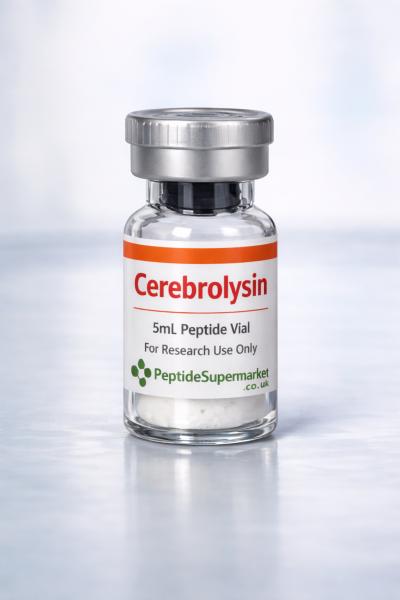
Understanding Cerebrolysin: A Hidden Gem
Understanding Cerebrolysin: A Hidden Gem Cerebrolysin isn’t “new.” It’s been around far longer than most people realize—it just hasn’t been widely used in the places you’d expect, for the reasons you’d expect. Your most valuable asset is the three-pound universe between your ears. If that fails, everything fails. Cerebrolysin matters because it addresses the predictable ways the brain breaks down—at the mechanism level, not the symptom level.